


• (780) 933-0182
  • info@growbizskills.ca
Grow Biz Skills
  • Home
    • Rider Friendly®
    • About Rumble Alberta
    • About GrowBizSkills
  • Courses
    • Course Categories
    • Browse All Courses
      • Rider Friendly Training Rider Friendly Training
      • Administrative Skills Bundle
      • Career Development Bundle
      • Human Resources Bundle
      • Microsoft Essentials Bundle
      • Personal Development Bundle
      • Sales & Marketing Bundle
      • Supervisors & Managers Bundle
      • Workplace Essentials Bundle
    • Rider Friendly® Training
  • Memberships
    • For Individuals
    • For Business
    • For Accommodations Providers
    • Pricing & Membership Access
  • Campus
    • Support
    • Students
      • My Certificates
    • Teachers
  • Resources
    • Blog
    • Downloads
    • Links
    • News Feeds
    • Newsletter
    • Success Stories
    • Frequently Asked Questions
Sign In
Grow Your Biz - a Blog header with business growth icons including plants, lightbulbs, and upward arrows on clean professional background
Small business owner organizing time management schedule with calendar, clock, and productivity tools on computer desktop

Time Management That Actually Works for Busy Small Business Owners

Renee Charbonneau Grow Your Biz - a Blog 16 October 2025
  • Time Management
  • Four Pillars

The 6 AM Email That Changed My Perspective

A client sent me an email at 6:17 AM on a Sunday. Not an emergency – just a regular business question that could have waited until Monday. When I asked her about it later, she said, "I was already up thinking about work, so I figured I might as well get it off my list."
Sound familiar?

If you're a small business owner, you probably know that feeling. The mental load that never stops. The to-do list that grows faster than you can check things off. The constant sense that you should be doing more, working harder, staying later.

But here's what I've learned from working with hundreds of Canadian small business owners: the problem isn't that you need more time. The problem is that most time management advice is designed for people who have assistants, departments, and predictable schedules.

Small business owners need time management strategies that work in the real world – where you're the CEO, the customer service rep, and sometimes the janitor, all in the same day.

Why Traditional Time Management Fails Small Business Owners

The corporate time management myth: Block your calendar, batch similar tasks, delegate everything, and focus on high-value activities.

The small business reality: Your "high-value" activity gets interrupted by a customer complaint. Your blocked calendar gets blown up by an equipment failure. Your delegation options are limited because you ARE the team.

What actually happens:

  • You plan your day, then spend it putting out fires
  • You try to batch tasks, but urgent issues don't wait for your batching schedule
  • You attempt to delegate, but training someone takes longer than doing it yourself
  • You focus on priorities, but everything feels like a priority

The result: You feel like you're failing at time management when really, you're just using the wrong system.

The Small Business Owner's Time Reality

Let's be honest about what your day actually looks like:

7 AM: Check emails while drinking coffee (because you can't help yourself)

8 AM: Plan to work on that important project

8:15 AM: Customer calls with an urgent issue

9 AM: Finally start the project

9:30 AM: Employee needs help with something "quick"

10 AM: Back to the project

10:45 AM: Supplier calls about a delivery problem

11 AM: Realize you haven't returned three important calls

12 PM: Eat lunch while answering emails

1 PM: Try to get back to the project

2 PM: Customer meeting you forgot about

3 PM: Deal with the crisis that developed while you were in the meeting

4 PM: Realize the important project is still sitting there

5 PM: Stay late to finally work on it

Sound about right?

The 4-Pillar System That Actually Works

After years of trying every time management system out there, and working with small business owners who've done the same, we've developed a framework that actually fits the small business reality.

Pillar 1: The Interrupt-Friendly Schedule

Traditional advice: Block large chunks of time for important work.

Small business reality: You'll get interrupted. Plan for it.

What works:

  • 50-minute work blocks with 10-minute buffer zones
  • Interrupt time built into your schedule (yes, actually schedule it)
  • Flexible priorities that can shift without derailing your whole day
  • Recovery time after dealing with unexpected issues

Example schedule:

  • 8:00-8:50: Important project work
  • 8:50-9:00: Buffer/interrupt time
  • 9:00-9:50: Customer calls/emails
  • 9:50-10:00: Buffer/interrupt time
  • 10:00-10:50: Important project work (continued)

Why this works: When interruptions happen (and they will), you don't feel like your whole day is ruined.

Pillar 2: The Two-List Priority System

Traditional advice: Make a to-do list and work through it.

Small business reality: Your to-do list has 47 things on it and they all seem important.

What works: Two separate lists

List 1: Today's Non-Negotiables (Maximum 3 items)

  • The things that absolutely must happen today
  • Usually includes one important project task, one customer/revenue item, one operational necessity

List 2: The Opportunity List

  • Everything else that would be good to do
  • You'll get to these if time allows, but no guilt if you don't

The rule: You can't add anything to List 1 unless you remove something else. This forces you to actually prioritize instead of just adding more things.

Pillar 3: The 15-Minute Rule

Traditional advice: Focus on big blocks of time for important work.

Small business reality: Sometimes 15 minutes is all you get.

What works: Break important projects into 15-minute chunks that actually move things forward.

Examples:

  • 15 minutes: Review and respond to priority emails
  • 15 minutes: Make three important phone calls
  • 15 minutes: Update one section of a proposal
  • 15 minutes: Review yesterday's sales numbers and plan today's follow-ups

The magic: You can find 15 minutes even on your craziest days. And 15 minutes of focused work beats 2 hours of distracted work.

Pillar 4: The Energy Management Overlay

Traditional advice: Manage your time.

Small business reality: Time management without energy management is useless.

What works: Match your tasks to your energy levels, not just your schedule.

High energy tasks (do when you're sharp):

  • Strategic planning
  • Important customer conversations
  • Financial analysis
  • Creative problem-solving

Medium energy tasks (do when you're steady):

  • Email processing
  • Routine customer service
  • Administrative work
  • Team check-ins

Low energy tasks (do when you're tired but still functional):

  • Filing and organizing
  • Social media updates
  • Reading industry articles
  • Planning tomorrow's priorities

The Canadian Small Business Context

Seasonal considerations: Your time management needs change with your business cycles. Tourism businesses need different systems in summer vs. winter. Retail businesses need different approaches during holiday seasons.

Geographic reality: If you're serving customers across time zones, your "focused work time" might be early morning or late evening when phones aren't ringing.

Resource constraints: You can't hire your way out of time management problems, so your system needs to work with the team you have, not the team you wish you had.

What Doesn't Work (And Why You Should Stop Trying)

The Perfect Morning Routine

Why it fails: Your mornings aren't predictable. Customers, suppliers, and emergencies don't care about your routine.

What works instead: A flexible morning framework that adapts to what's happening.

Detailed Daily Schedules

Why it fails: Small business days are too unpredictable for detailed scheduling.

What works instead: Time blocks with built-in flexibility.

Saying No to Everything

Why it fails: In small business, opportunities come when they come, not when it's convenient.

What works instead: Quick decision criteria for what to say yes to.

Batch Processing Everything

Why it fails: Customer service can't wait for your batching schedule.

What works instead: Batch what you can, but stay responsive where it matters.

Time Management Tools That Actually Help Small Businesses

Simple Digital Tools

  • Calendar app with notifications (use what you already have)
  • Timer app for 15-minute focused work sessions
  • Note-taking app that syncs across devices
  • Simple task manager (not a complex project management system)

Analog Tools That Work

  • Physical notebook for capturing thoughts during meetings
  • Wall calendar for visual overview of the month
  • Whiteboard for daily priorities (visible to your team)

The One Tool Rule

Pick one system and stick with it. Switching between multiple productivity apps wastes more time than it saves.

Training Your Team to Respect Your Time

The biggest time management challenge: Your team doesn't understand when you're available vs. when you're focused.

Developing effective team communication and time management skills requires structured training.

Our HR training for effective workplace culture management provides the tools to create clear communication frameworks.

What works:

  • Visual signals (closed door, headphones, "focused work" sign)
  • Scheduled office hours for non-urgent questions
  • Clear emergency criteria (what constitutes an interruption)
  • Regular check-ins so small issues don't become urgent ones

The communication framework:

  • Urgent: Interrupt immediately (customer emergency, safety issue)
  • Important: Can wait until next scheduled check-in (operational decisions)
  • Routine: Handle via email or weekly meeting (administrative questions)

Managing the Mental Load

The invisible time killer: The mental energy spent thinking about everything you need to do.

Developing mental resilience and personal organization skills is crucial for small business owners. Invest in personal development courses for team culture enhancement to build sustainable productivity habits.

What helps:

  • Daily brain dump (15 minutes writing down everything on your mind)
  • Weekly planning session (30 minutes organizing the upcoming week)
  • Monthly review (1 hour assessing what's working and what isn't)

The goal: Get things out of your head and into a system you trust.

When Time Management Isn't the Real Problem

Sometimes the issue isn't time management – it's:

  • Unclear priorities (everything feels important because you haven't defined what success looks like)
  • Poor boundaries (you're available to everyone all the time)
  • Lack of systems (you're recreating the wheel for routine tasks)
  • Fear of delegation (you don't trust others to do things right)
  • Perfectionism (you spend too much time on things that are already good enough)

The fix: Address the underlying issue, not just the time management symptoms.

Building Time Management Habits That Stick

Creating a productive work environment starts with fundamental skills training.

Explore essential workplace skills for culture building that help small business owners manage their time effectively.

Start small: Pick one element from the 4-Pillar System and use it for two weeks before adding anything else.

Track what works: Keep a simple log of what time management strategies actually help vs. what sounds good in theory.

Adjust for your reality: Your business is unique. Adapt any system to fit your actual needs, not what the experts say you should need.

Be patient: It takes about 30 days to develop a new habit. Give yourself time to adjust.

The Real Goal of Time Management

It's not about being more productive. It's about having more control over your day so you can focus on what actually matters for your business.

Good time management for small business owners means:

  • Spending more time on activities that grow your business
  • Feeling less overwhelmed by daily operations
  • Having energy left for strategic thinking
  • Being present when you're with family
  • Sleeping better because you're not mentally reviewing tomorrow's to-do list

Effective time management requires leadership skills that go beyond simple scheduling. Learn more about essential leadership skills every manager needs to transform their business productivity.

Ready to Take Control of Your Time?

Time management for small business owners isn't about following someone else's system perfectly. It's about finding what works for your business, your team, and your life.

The businesses that master time management:

  • Plan for interruptions instead of fighting them
  • Focus on priorities, not just productivity
  • Match tasks to energy levels
  • Build systems that work with their reality, not against it

The businesses that struggle:

  • Try to follow systems designed for different situations
  • Fight against the natural rhythm of their business
  • Focus on being busy instead of being effective
  • Don't account for the mental load of running a business

Ready to develop time management skills that actually work for small business owners? Our Time Management course covers:

  • The 4-Pillar System for small business time management
  • Energy management strategies
  • Interruption-friendly scheduling
  • Priority setting that works in the real world
  • Building systems that stick

Ask Biz Bot to help you OR Call (780) 933-0182 or email This email address is being protected from spambots. You need JavaScript enabled to view it.

We will help guide you to the right courses and package.

Building stronger Canadian businesses, one productive day at a time.

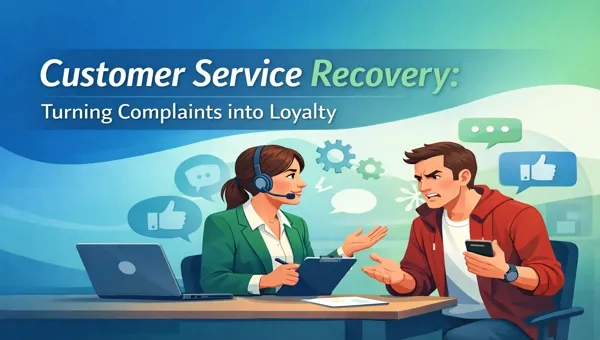
Customer service representative helping resolve complaint with satisfied customer in professional business setting

Customer Service Recovery: Turn Complaints Into Loyal Customers | Canadian Small Business Training

Renee Charbonneau Grow Your Biz - a Blog 14 October 2025
  • Customer Service
  • Damage Control

The Complaint That Changed Everything

Last month, a client told us about a customer complaint that almost broke their small tourism business. A family had booked a weekend getaway package, everything went wrong – weather, accommodation mix-up, activity cancellation – and they were furious. The kind of furious that ends up on Google reviews and Facebook rants.

But here's the twist: that same family became their biggest advocates. They've since booked three more trips, referred four other families, and regularly share positive posts about the business on social media.

What changed? The way the complaint was handled.

This isn't a feel-good story about going above and beyond (though that happened too).

It's about understanding that customer service recovery isn't damage control – it's a business opportunity that most Canadian small businesses completely miss.

Why Customer Service Recovery Matters More Than Prevention

Don't get us wrong – preventing problems is important. But here's what we've learned from working with small businesses across Canada: customers don't expect perfection. They expect problems to be handled well when they happen.

The recovery paradox: Customers who experience a problem that gets resolved well often become more loyal than customers who never had a problem at all.

Why this happens:

  • They see how you handle pressure
  • They experience your values in action
  • They feel heard and valued as individuals
  • They have a story to tell about your business

The Canadian small business advantage: Unlike big corporations with rigid policies and multiple departments, you can make decisions quickly and personally. Use that.

Developing effective customer service recovery skills requires HR expertise and strategic planning.

The Real Cost of Poor Recovery

Most small business owners think about complaints in terms of immediate damage – the refund, the lost sale, the negative review. But the real cost is much bigger.

What poor recovery actually costs:

  • Lost lifetime value: That customer will never buy again
  • Negative word-of-mouth: They'll tell an average of 9-15 people
  • Online reputation damage: Reviews stay forever
  • Employee morale: Your team feels helpless and frustrated
  • Your own stress: Bad reviews keep you up at night

The multiplier effect: In small communities and niche markets, one badly handled complaint can damage relationships with multiple potential customers who know each other.

Creating positive customer service experiences starts with fundamental skills training. Explore essential workplace skills for culture building that every team member should master.

The 5-Step Recovery Framework That Works

After analyzing hundreds of customer service situations with Canadian small businesses, we've identified a framework that consistently turns complaints into loyalty.

Step 1: Listen First, Defend Never

What most businesses do wrong: They start explaining why the problem happened or defending their policies before they fully understand what the customer experienced.

What works: Let them tell the whole story without interrupting. Ask clarifying questions. Acknowledge their feelings.

The magic phrase: "Help me understand what happened from your perspective."

Why this works: People need to feel heard before they can hear you. Defensive responses escalate emotions; listening de-escalates them.

Step 2: Take Ownership (Even When It's Not Your Fault)

The ownership mindset: You're not taking blame for everything – you're taking responsibility for making it right.

What this sounds like:

  • "I can see how frustrating that must have been"
  • "That's not the experience we want anyone to have"
  • "Let me see what I can do to fix this"

What it doesn't sound like:

  • "That's not our policy"
  • "The supplier/weather/system was the problem"
  • "There's nothing I can do"

The Canadian context: We're polite people. Use that. Genuine empathy resonates more here than corporate scripts.

Step 3: Solve the Immediate Problem

Focus on what you can control: Don't get stuck explaining what you can't fix. Focus on what you can do right now.

The solution hierarchy:

  1. Fix the original problem (if possible)
  2. Provide equivalent value (different solution, same outcome)
  3. Compensate appropriately (refund, credit, extras)
  4. Prevent future occurrence (process changes, better communication)

Speed matters: The faster you solve the immediate problem, the less time emotions have to escalate.

Step 4: Go One Step Beyond

This is where good recovery becomes great recovery: Do something they didn't ask for but that shows you value the relationship.

Examples that work:

  • Follow up a week later to make sure they're satisfied
  • Send a handwritten note with their refund
  • Offer a discount on their next purchase
  • Share their feedback with your team and tell them how you're improving

The key: It doesn't have to be expensive – it has to be personal and unexpected.

Step 5: Learn and Improve

Turn every complaint into business intelligence: What can this teach you about your processes, communication, or customer expectations?

The improvement questions:

  • How can we prevent this specific problem?
  • What would have made this customer's experience better?
  • Are other customers experiencing similar issues?
  • What training does our team need?

Individual growth drives collective service improvement. Invest in personal development courses for team culture enhancement to see measurable customer service improvements.

Real Recovery Stories from Canadian Small Businesses

The Restaurant Mix-Up

Problem: Wedding rehearsal dinner reservation got lost, party of 20 showed up to no available tables.

Recovery: Manager immediately called sister restaurant, arranged transportation, covered the meal cost, and sent champagne to their table.

Result: The couple books their anniversary dinner there every year and refers all their catering needs.

The Equipment Failure

Problem: Rental equipment failed during a corporate event, causing delays and frustration.

Recovery: On-site technician within 30 minutes, backup equipment provided free, 50% refund, and priority booking for future events.

Result: Company became their largest corporate client and testimonial reference.

The Weather Cancellation

Problem: Outdoor adventure tour cancelled due to weather, family vacation plans ruined.

Recovery: Full refund plus credit for future booking, helped arrange alternative activities, followed up with local restaurant recommendations.

Result: Family rebooked for the following year and brought three other families.

The Psychology Behind Effective Recovery

Why the framework works: It addresses the emotional journey customers go through when things go wrong.

The emotional stages:

  1. Surprise/Shock: "This isn't what I expected"
  2. Frustration/Anger: "This is unacceptable"
  3. Disappointment: "I trusted you and you let me down"
  4. Hope: "Maybe they can fix this"
  5. Relief/Satisfaction: "They made it right"
  6. Loyalty: "They really care about their customers"

Your job: Guide them through stages 4-6 as quickly and smoothly as possible.

Training Your Team for Recovery Success

The biggest mistake: Assuming your team knows how to handle complaints naturally. They don't. It's a skill that needs to be learned and practiced.

Essential training components:

  • Active listening techniques – How to really hear what customers are saying
  • De-escalation strategies – How to calm angry customers
  • Solution-focused thinking – How to focus on fixes, not problems
  • Empathy development – How to connect with frustrated customers
  • Authority levels – What they can offer without asking permission

Role-playing scenarios: Practice with real situations your business faces. The more they practice, the more confident they'll be when it matters.

When Recovery Isn't Possible

Reality check: Not every complaint can be turned into loyalty. Some customers are unreasonable, some problems are unfixable, and some relationships aren't worth saving.

How to recognize when to walk away:

  • Demands are unreasonable or impossible
  • Customer becomes abusive to your team
  • Cost of resolution exceeds customer lifetime value
  • Customer has a pattern of complaints and demands

How to end the relationship professionally:

  • Acknowledge their concerns
  • Explain what you can and can't do
  • Offer a fair resolution
  • Wish them well and suggest alternatives

The Tools That Make Recovery Easier

Customer service recovery isn't just about attitude – it's about having systems that support good recovery:

Communication Tools

  • Scripts for common situations (not rigid, but helpful starting points)
  • Escalation procedures (who to call when things get complicated)
  • Follow-up systems (how and when to check back)

Decision-Making Authority

  • Clear guidelines on what front-line staff can offer
  • Quick approval processes for bigger solutions
  • Manager backup when staff need support

Documentation Systems

  • Complaint tracking to identify patterns
  • Resolution records to learn what works
  • Customer history to provide context

Building a Recovery-Ready Culture

The mindset shift: Stop seeing complaints as problems and start seeing them as opportunities to demonstrate your values.

What this looks like:

  • Team meetings that discuss recovery successes, not just problems
  • Training that builds confidence, not fear
  • Policies that empower staff to solve problems
  • Recognition for great recovery efforts

The Canadian advantage: We're naturally apologetic and helpful. Channel that into systematic recovery processes.

Measuring Recovery Success

Track the metrics that matter:

  • Resolution time – How quickly problems get solved
  • Customer satisfaction – Post-resolution surveys
  • Repeat business – Do recovered customers come back?
  • Referrals – Do they recommend you to others?
  • Online reviews – Are negative reviews becoming positive ones?

The ultimate measure: Are customers telling positive stories about how you handle problems?

Ready to Turn Complaints Into Opportunities?

Customer service recovery isn't about being perfect – it's about being human, responsive, and solution-focused when things go wrong.

The businesses that excel at recovery:

  • Listen before they speak
  • Take ownership without making excuses
  • Solve problems quickly and completely
  • Go beyond what's expected
  • Learn from every situation

The businesses that struggle:

  • Get defensive when criticized
  • Hide behind policies and procedures
  • Focus on why problems happened instead of how to fix them
  • Do the minimum required
  • Repeat the same mistakes

Your customer service recovery skills directly impact:

  • Customer retention and loyalty
  • Word-of-mouth marketing
  • Online reputation
  • Team confidence
  • Business growth

Ready to train your team in customer service recovery that builds loyalty?

Our Customer Service course covers:

  • Active listening and empathy techniques
  • De-escalation strategies for angry customers
  • Solution-focused problem solving
  • Recovery frameworks that work
  • Building customer loyalty through service

Customer service recovery is just the beginning - effective leaders must develop the skills to act on customer insights. Learn more about essential leadership skills every manager needs.

Call (780) 933-0182 or email This email address is being protected from spambots. You need JavaScript enabled to view it. to turn your customer service challenges into competitive advantages.

Building stronger Canadian businesses, one satisfied customer at a time.

Leadership Skills being exhibilted during professional development training workshop

5 Leadership Skills Every Manager Needs for Q4 | Grow Biz Skills

Renee Charbonneau Grow Your Biz - a Blog 11 September 2025
  • Small Business
  • Q4 Planning
  • Leadership
  • management skills development
  • Team Preparation
  • Essential Leadership Skills
  • Leadership Skills

Q4 is Coming (And Your Team Knows It)

September hits differently when you're running a business. There's this shift in the air – everyone knows Q4 is around the corner, and with it comes the annual scramble to hit year-end targets, manage holiday schedules, and somehow keep everything running smoothly while half your team is thinking about vacation time.

Essential Leadership Skills for Q4 Management

Read more: 5 Leadership Skills Every Manager Needs for Q4 | Grow Biz Skills
Training Budget Planning: ROI that actually counts

2026 Training Budget Planning & ROI Tips | Grow Biz Skills

Renee Charbonneau Grow Your Biz - a Blog 13 September 2025
  • Small Business
  • ROI
  • Budget Planning
  • Training
  • ROI that matters
  • Canadian Businesses

Budget Season is Here (Whether You Like It Or Not)

It's that time of year again. Q3 budget planning season, when every business owner in Canada is staring at spreadsheets wondering where to allocate next year's dollars. You need ROI that actually matters.

And if you're like most small business owners, "training budget" is somewhere between "office supplies" and "maybe we'll figure it out later" on your priority list.

Read more: 2026 Training Budget Planning & ROI Tips | Grow Biz Skills
Business professionals working in a healthy company culture

5 Company Culture Assessment Tools Small Business Owners Actually Use

Roeby Grow Your Biz - a Blog 29 July 2025
  • Templates
  • Culture
  • Workplace
  • Surveys
  • Assessments

Business professionals analyzing training ROI charts and investment data

Read more: 5 Company Culture Assessment Tools Small Business Owners Actually Use
  • About Us
  • Careers
  • Contact Us
  • Our Story
  • Accessibility
  • Course Catalog
  • Help Centre
  • System Requirements
  • Technical Support
  • Cookie Policy
  • Privacy Policy
  • Refund Policy
  • Terms of Service
  • Instructor Agreement
© 2026 GrowBizSkills.ca is a project of the Canadian Motorcycle Tourism Association
  • Home
    • Rider Friendly®
    • About Rumble Alberta
    • About GrowBizSkills
  • Courses
    • Course Categories
    • Browse All Courses
      • Rider Friendly Training Rider Friendly Training
      • Administrative Skills Bundle
      • Career Development Bundle
      • Human Resources Bundle
      • Microsoft Essentials Bundle
      • Personal Development Bundle
      • Sales & Marketing Bundle
      • Supervisors & Managers Bundle
      • Workplace Essentials Bundle
    • Rider Friendly® Training
  • Memberships
    • For Individuals
    • For Business
    • For Accommodations Providers
    • Pricing & Membership Access
  • Campus
    • Support
    • Students
      • My Certificates
    • Teachers
  • Resources
    • Blog
    • Downloads
    • Links
    • News Feeds
    • Newsletter
    • Success Stories
    • Frequently Asked Questions
    • Conference
    • Form activation
    • Live Streaming
    • Private Messaging